01.12.2025 | Panel Discussion: What We Can Learn from Virus Research for Tomorrow
"What We Can Learn from Virus Research for Tomorrow"
Stadtbibliothek
Amraser Straße 2, 6020 Innsbruck
Monday, December 1st 2025
7:00 PM
On December 1, 2025, the University of Innsbruck hosted a panel discussion on pandemic preparedness and pandemic retrospective at the Innsbruck City Library. Prof. Florian Krammer from the Semmelweis Institute in Vienna, the Rector of the Medical University of Innsbruck Prof. Gert Mayer, and Institute Director Prof. Gisa Gerold discussed current findings from virus research and their significance for the prevention and preparation for future pandemics together with the audience.
Key topics of the discussion:
- Preparing society for future public health challenges
- Practical implementation of scientific findings from recent years
- Current developments in virus research and pandemic preparedness
- Regional aspects with a particular focus on Tyrol
The event was well attended, and a lively discussion with the audience took place following the panel. We sincerely thank everyone for their interest and the engaging exchange!

Prof. Dr. Florian Krammer
Director of the Ignaz Semmelweis Institute

Prof. Dr.med Gert Mayer
Rector of the Medical University of Innsbruck
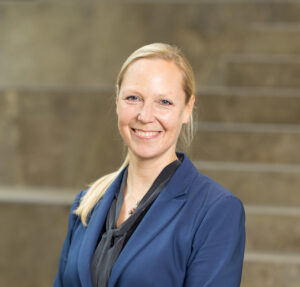
Prof. Dr. Gisa Gerold
Director of the Institute of Virology Innsbruck