


The Bánki Lab | Immunology of Virus Infections
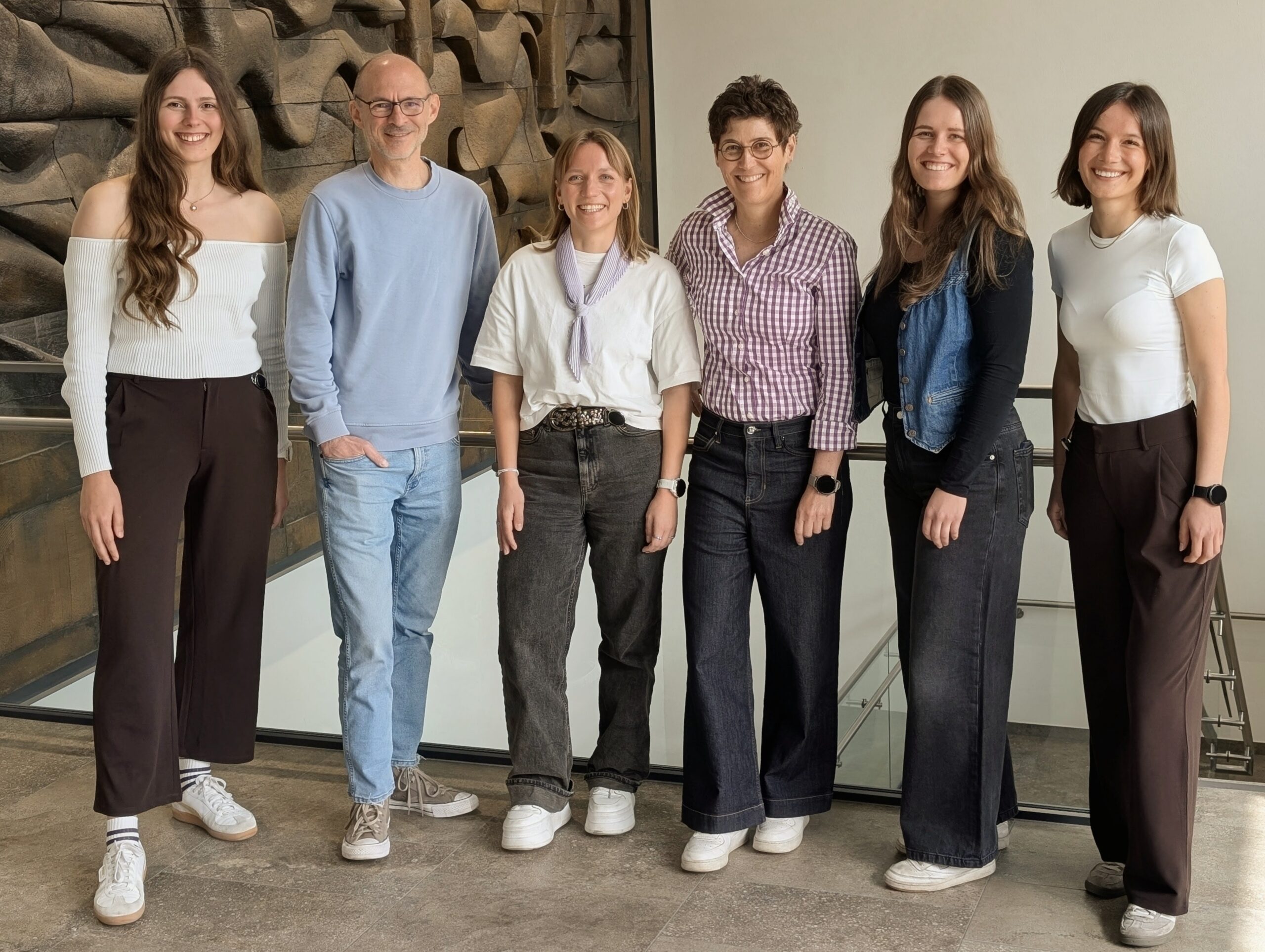
The Bánki Lab at the Institute of Virology, MUI, focuses on the immunology of viral infections, with an emphasis on respiratory viruses and oncolytic virotherapy. Our research investigates the intricate interactions between the immune system and viruses, aiming to contribute to the development of effective therapeutic strategies for both infectious and cancer-related diseases.
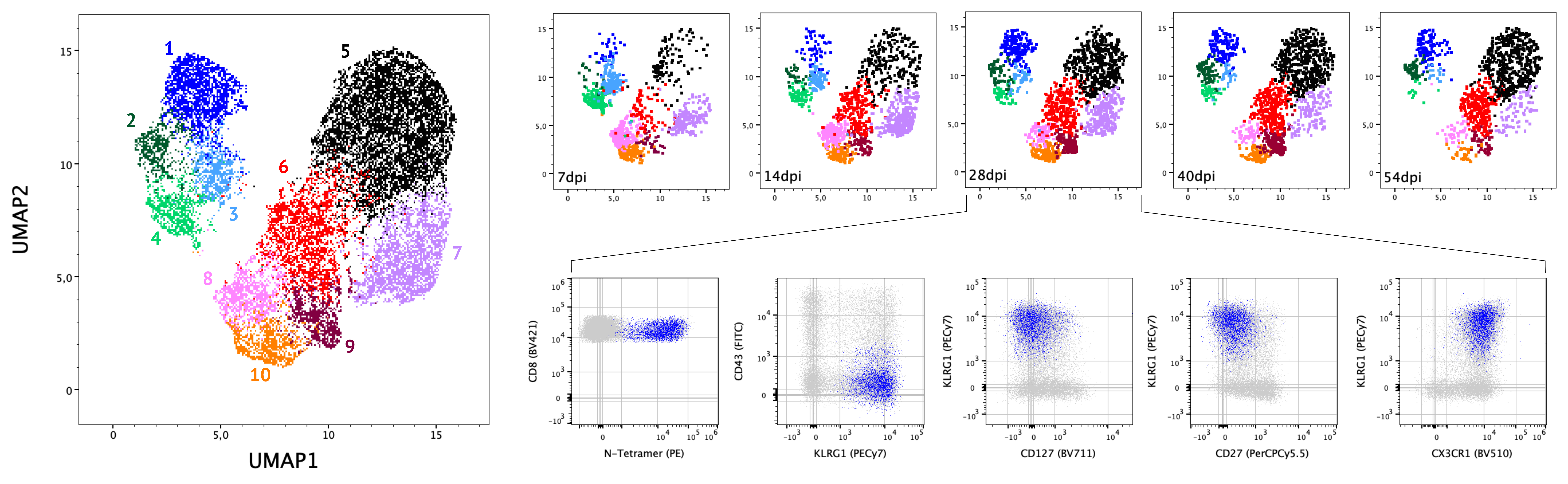
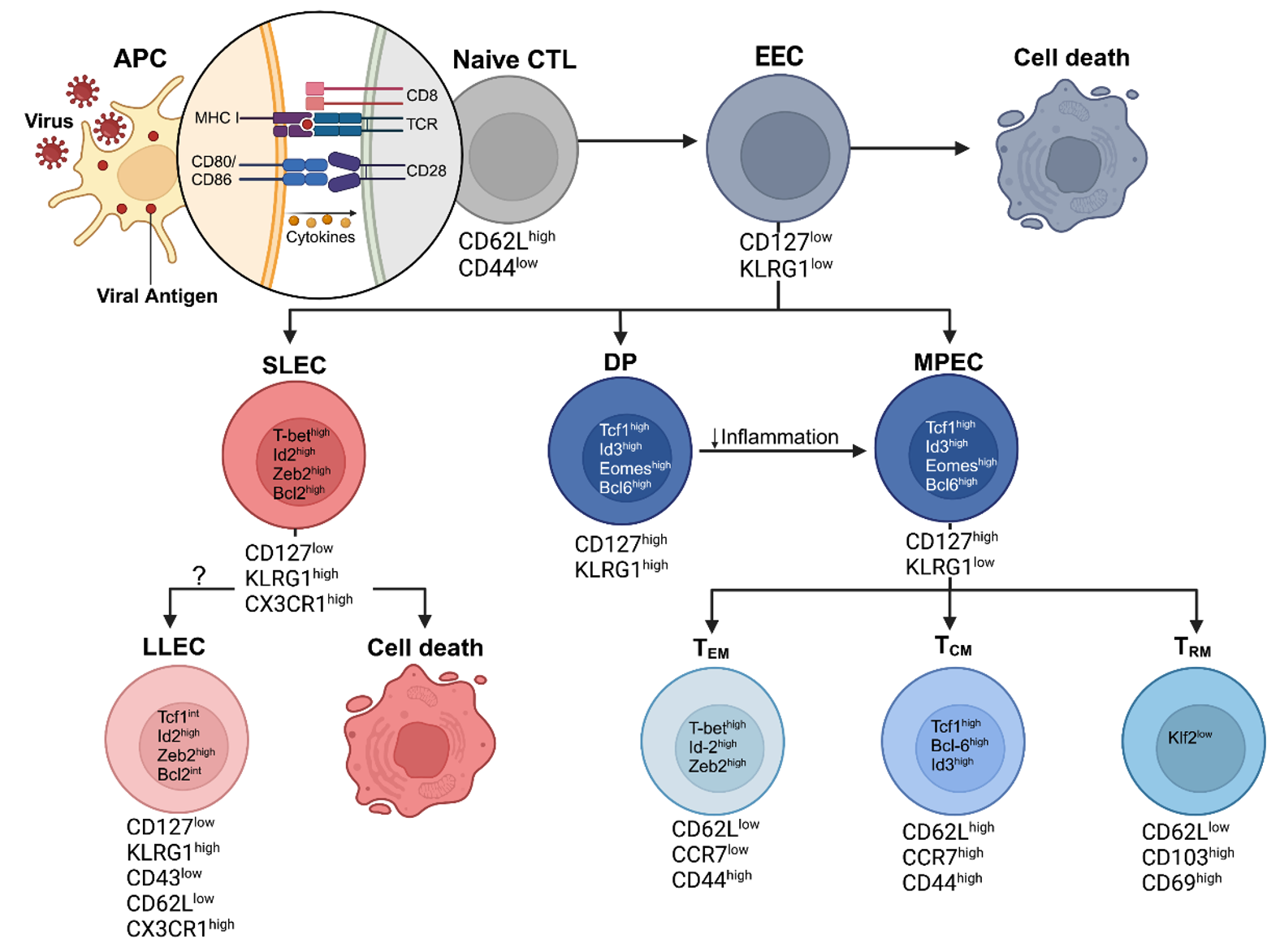
The induction of CD8 T cell responses during viral infections involves activation, differentiation, and the formation of distinct memory subsets. Naïve CD8 T cells are activated when they recognise viral peptides presented on MHC class I molecules by antigen-presenting cells, along with costimulatory signals and cytokines. Activation of naïve CD8 T cells triggers proliferation and differentiation into effector T cells (TE), which express cytotoxic molecules like perforin and granzyme B, as well as cytokines such as IFNγ. After the effector phase, antigen-specific T cells undergo contraction, leaving behind memory populations. Memory CD8 T cells include effector memory T cells (TEM), which circulate in peripheral tissues and respond rapidly to reinfection, and central memory T cells (TCM), which reside in lymphoid organs, and exhibit enhanced proliferative capacity. Tissue-resident memory T cells (TRM) provide localized immunity in non-lymphoid tissues at the site of infection. The balance and functionality of these subsets depend on the nature of the viral infection, with acute infections often generating robust TEM and TCM populations, while chronic infections may impair memory formation due to T cell exhaustion. These processes are key to achieving durable antiviral immunity.
A key area of our work involves respiratory viruses such as respiratory syncytial virus (RSV), a significant cause of severe respiratory infections, particularly in young children and older adults. By studying the immune mechanisms that govern T cell responses and cytokine production during RSV infections, we aim to better understand the balance between viral clearance and immunopathology.
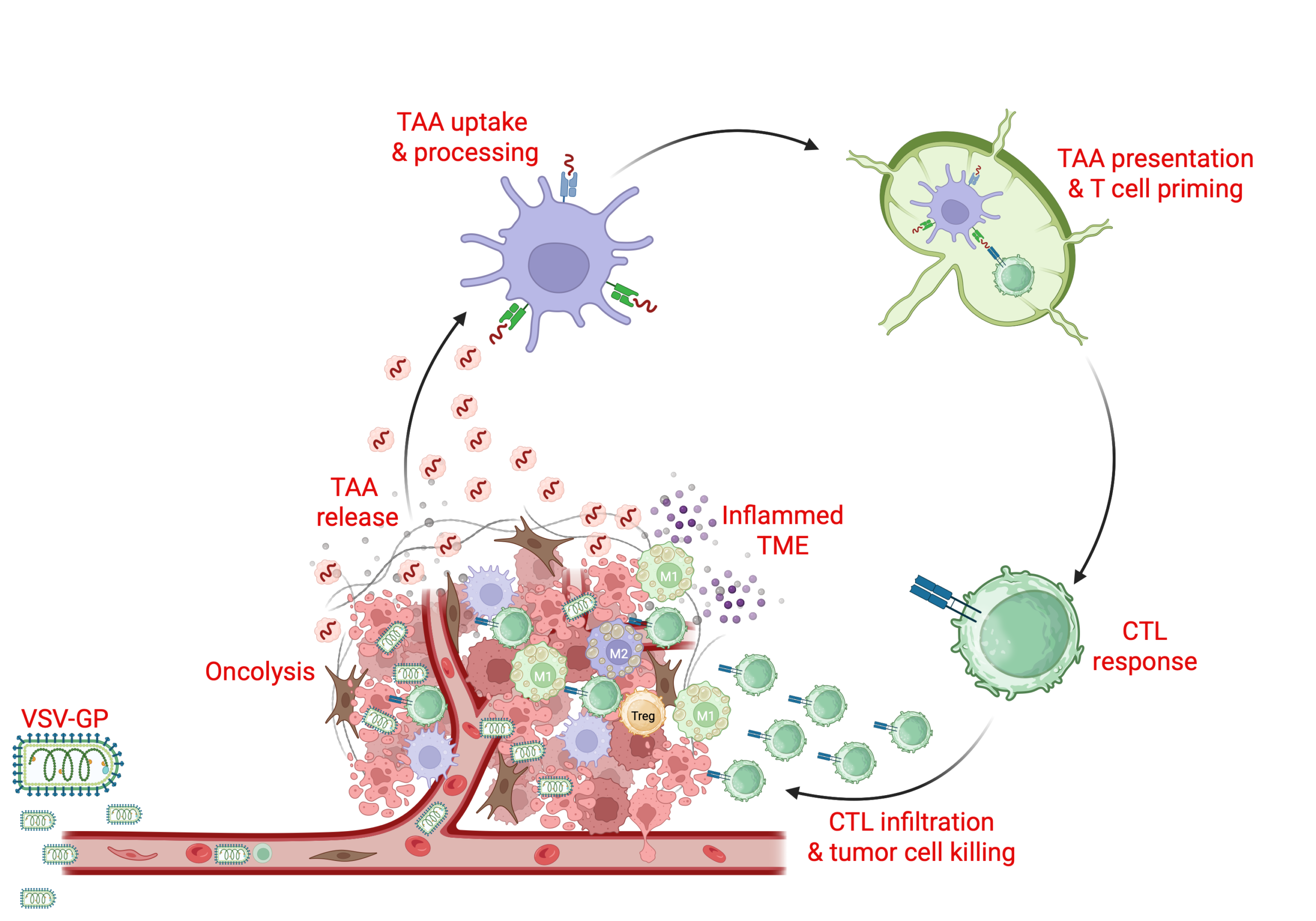
In addition, our lab conducts studies on oncolytic viruses, specifically vesicular stomatitis virus pseudotyped with LCMV glycoprotein (VSV-GP). Oncolytic viruses hold promise as cancer therapies, leveraging their ability to selectively infect and destroy tumor cells while stimulating anti-tumor immune responses. Our preclinical studies evaluate the immunological effects of VSV-GP, particularly its capacity to activate and sustain T cell responses that target cancer cells.
To achieve these goals, our group employs cutting-edge methodologies, including spectral flow cytometry, to dissect the complexities of immune cell populations and their functional dynamics. This high-resolution approach enables us to gain detailed insights into how viruses shape the immune landscape, from initial infection to resolution or chronicity.
By combining expertise in virology and immunology with advanced technologies, we aim to uncover critical insights into virus-host interactions. Our work seeks to inform the design of novel antiviral therapies, vaccines, and oncolytic virotherapies, ultimately improving outcomes for patients affected by viral infections and cancer.
List of Publications
https://www.ncbi.nlm.nih.gov/myncbi/zoltan.banki.1/bibliography/public/
Group members
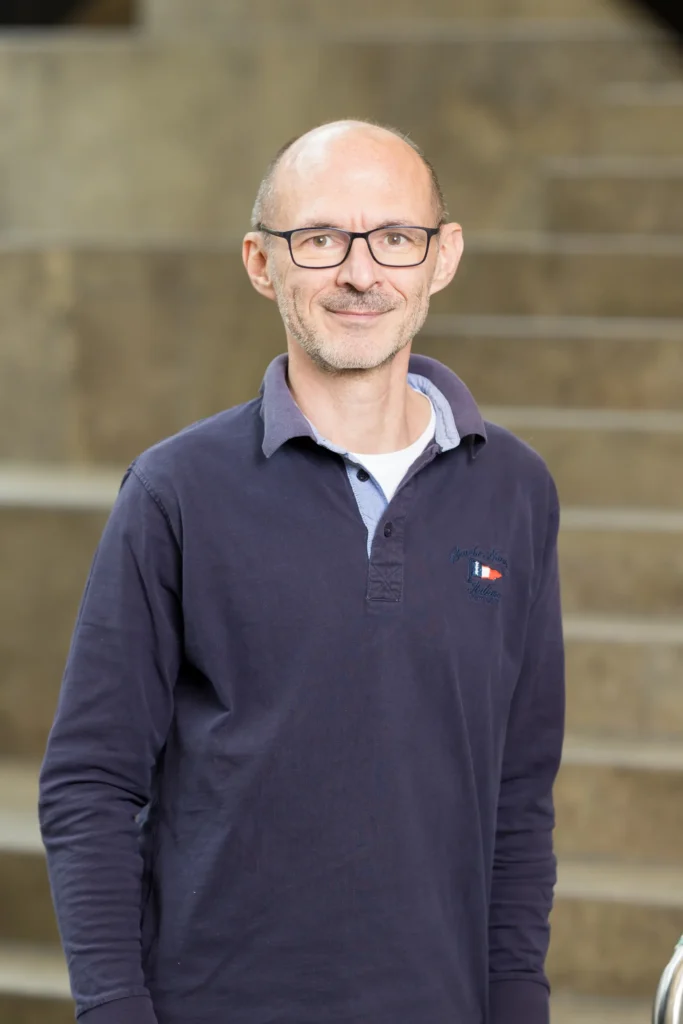
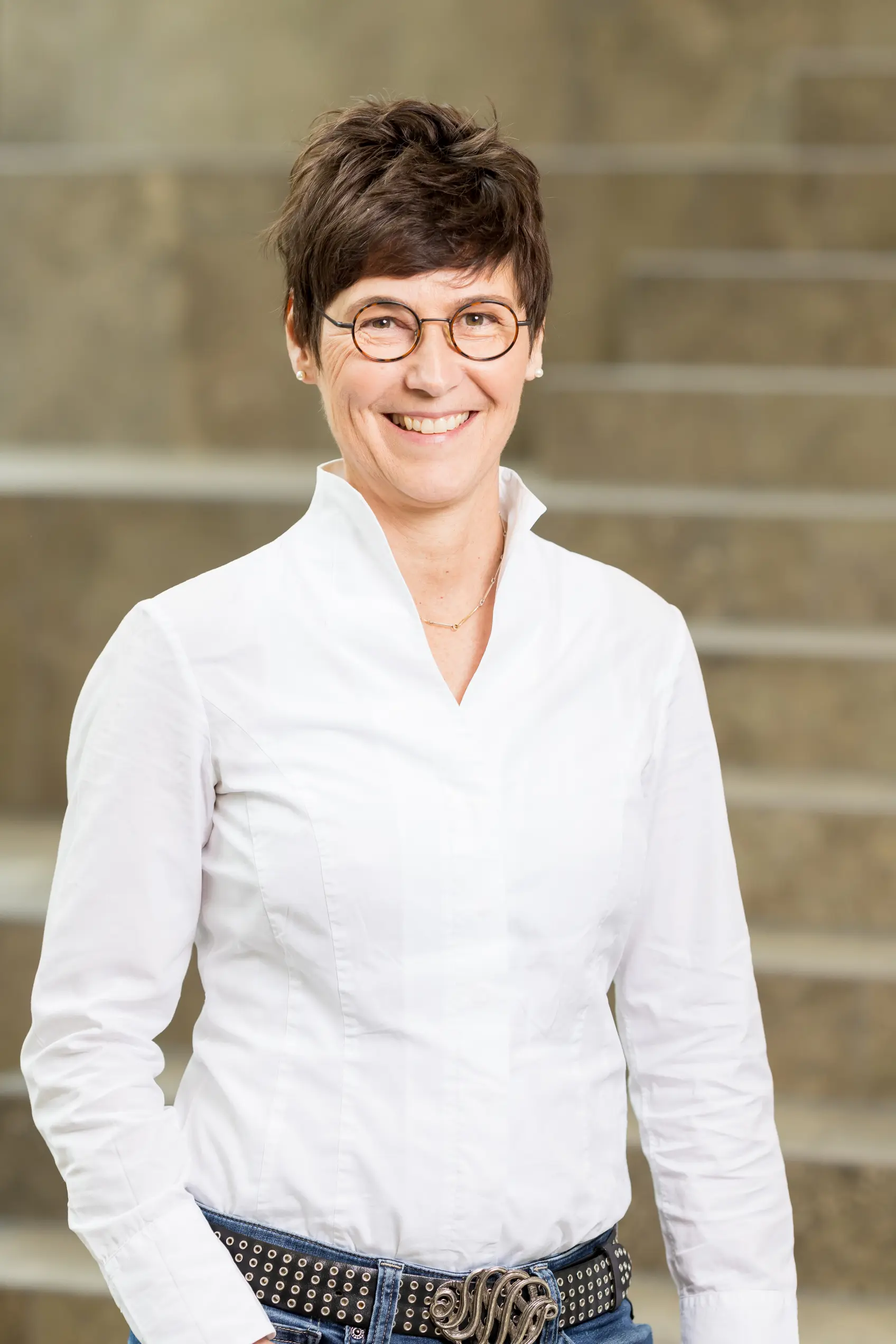

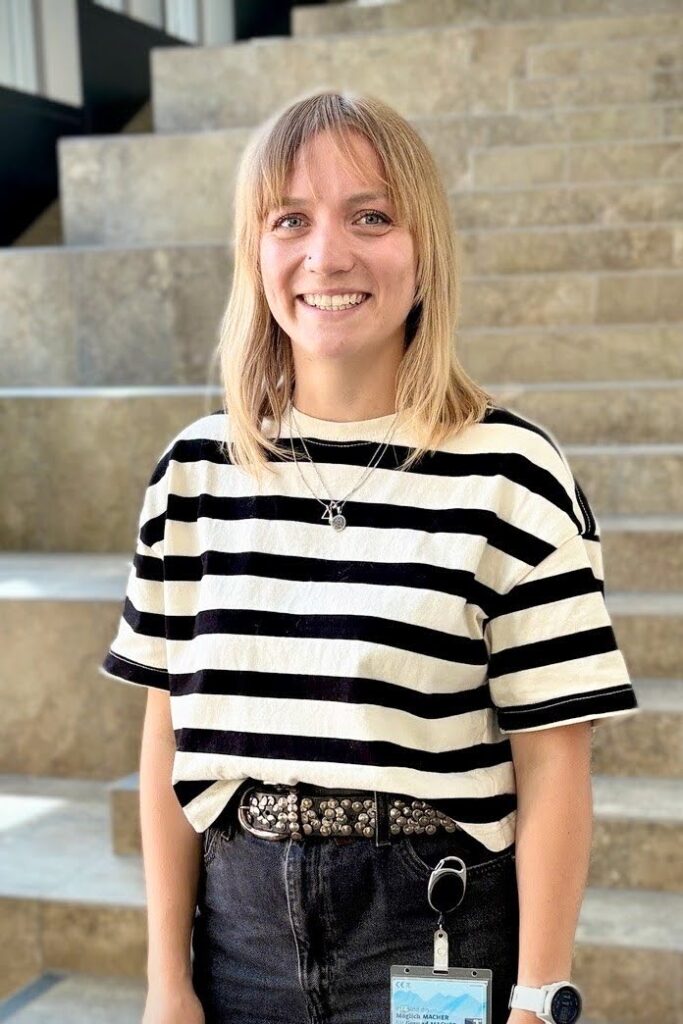


Victoria Reichhold
Intern
Former members
PhD Students

Jasmin Hatami, PhD
(co-supervised with D. von Laer)

Lisa Pipperger, PhD
(co-supervised with D. von Laer)
Iris Koske
(co-supervised with D. von Laer)
Asim Ejaz, PhD
(co-supervised with H. Stoiber)
Verena Oberhauser, PhD
(co-supervised with H. Stoiber)
Custodio Bila, PhD
(co-supervised with H. Stoiber)
MSc Students
Leonie Wolf, MSc
Dominik Klaver, PhD
Annika Rössler, PhD (co-supervised with H. Stoiber)
Franziska Gomig, MSc (co-supervised with H. Stoiber)
Roland Werner, MSc (co-supervised with H. Stoiber)
Lydia Riepler, PhD (co-supervised with H. Stoiber)
BSc Students
Lisa Burdinski
Nicole Wild
Elisabeth Edlinger