EAVI Project Kicks Off in Innsbruck
In early July, partners from across Europe and Africa gathered in Innsbruck for the official kick-off meeting of EAVI — the European-African Vaccine Initiative — a new five-year project funded by Global Health EDCTP3 under Horizon Europe and coordinated by the Medical University of Innsbruck. EAVI brings together eight institutions from Austria, Spain, Switzerland, Sweden, France, Tanzania and Kenya around a shared goal: helping to close the persistent gap in vaccine evidence and access for neglected tropical diseases in sub-Saharan Africa.
Advancing Vaccine Research and Preparedness for Africa
Vaccine trials against neglected and re-emerging viral diseases have historically often been concentrated in Western populations. As a result, safety and efficacy data from African populations, who often carry a substantial share of the disease burden remain limited. Evidence is particularly scarce for vulnerable groups, including people living with HIV and individuals with other co-infections. The EAVI consortium aims to help change this.
The consortium will evaluate a live-attenuated chikungunya virus (CHIKV) vaccine, already licensed in the EU, Canada, the UK and Brazil, in a Phase IIIb clinical trial at sites in Kenya and Tanzania. The trial follows a two-arm design and will enroll both healthy adults and adults living with HIV who are stable on antiretroviral therapy. This will be the first time the vaccine’s safety and immune response are assessed in African adults, including adults with HIV.
The project also offers the rare opportunity to address critical gaps in scientific knowledge around the immunogenicity of the vaccine. To do so, the consortium will use advanced immunological tools to analyze T-cell-mediated immunity, molecular signatures associated with vaccination identified by single-cell RNA sequencing, antibody epitope mapping and other immune-profiling approaches.
The study team will also address important gaps in epidemiological data for CHIKV by generating representative data on seroprevalence, -incidence over a 18-month period and strain diversity through community-based serosurveys.
The findings are expected to broaden knowledge of CHIKV vaccine-mediated immunity and ideally lead to vaccine licensure in African countries. The results will also help clarify the force of infection, refine clinical trial endpoints and identify populations most likely to benefit from vaccination. Ultimately, EAVI aims to inform vaccine deployment strategies and improve preparedness for chikungunya outbreaks.
Three Days of Exchange in Innsbruck
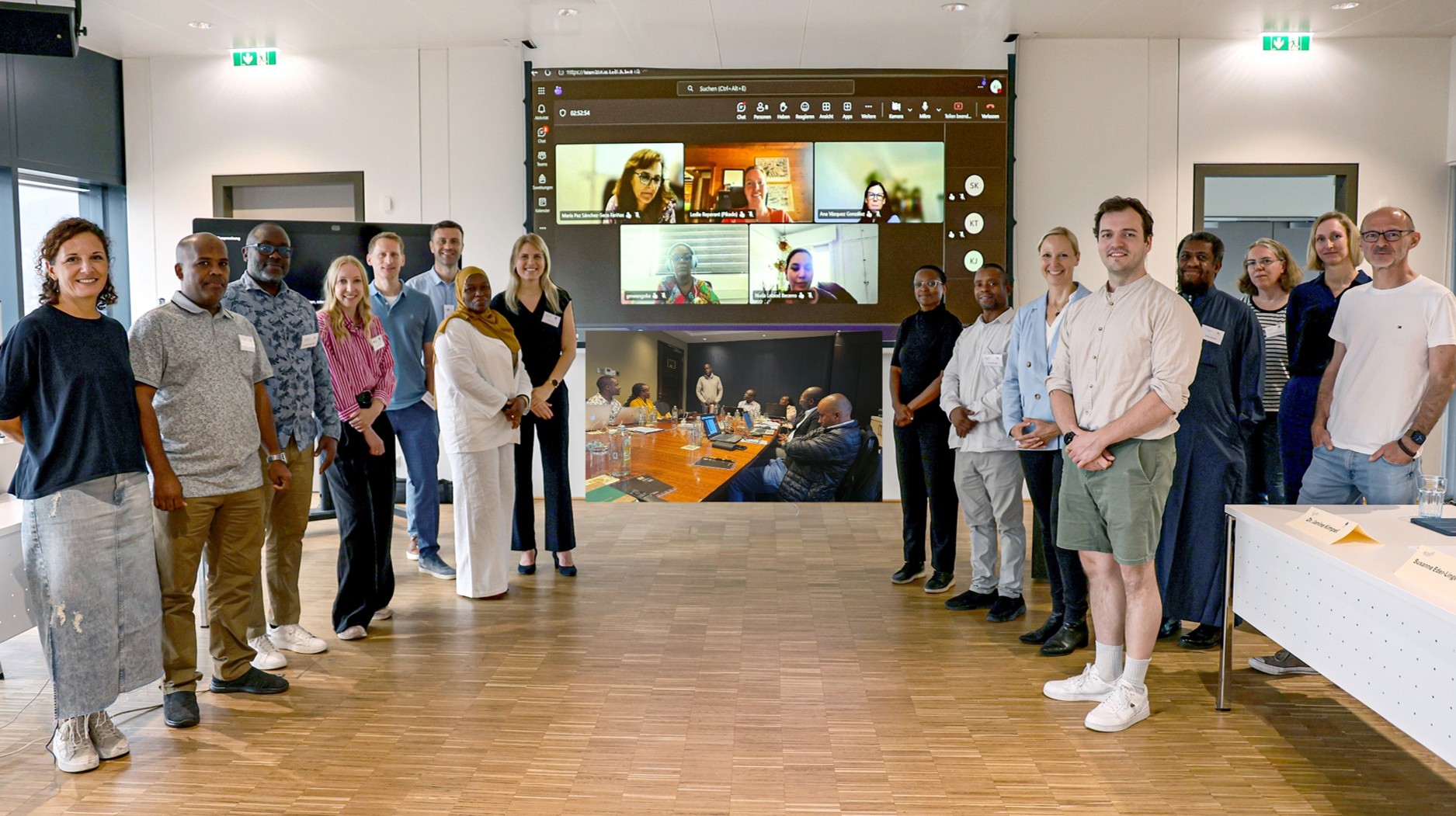
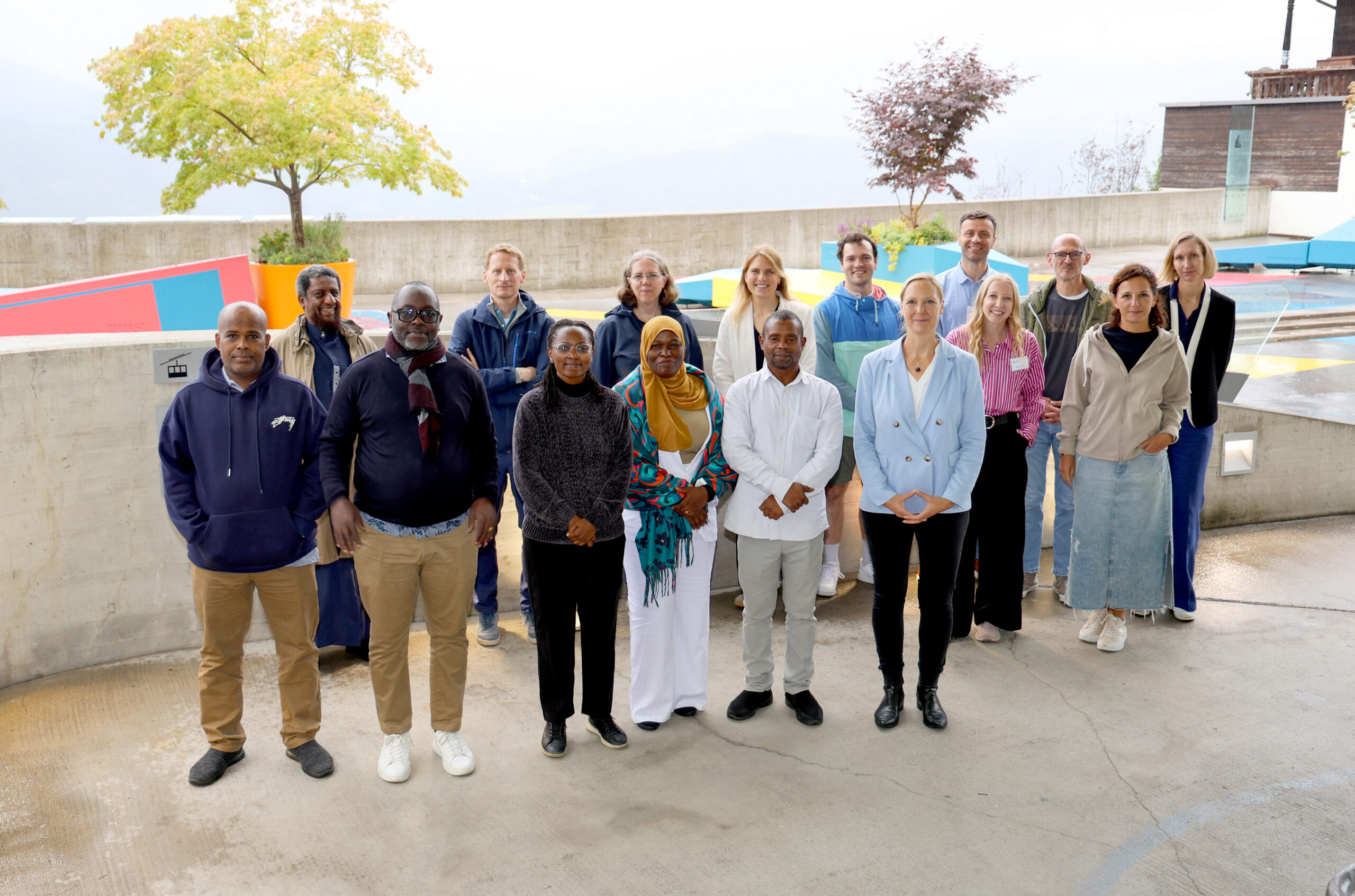
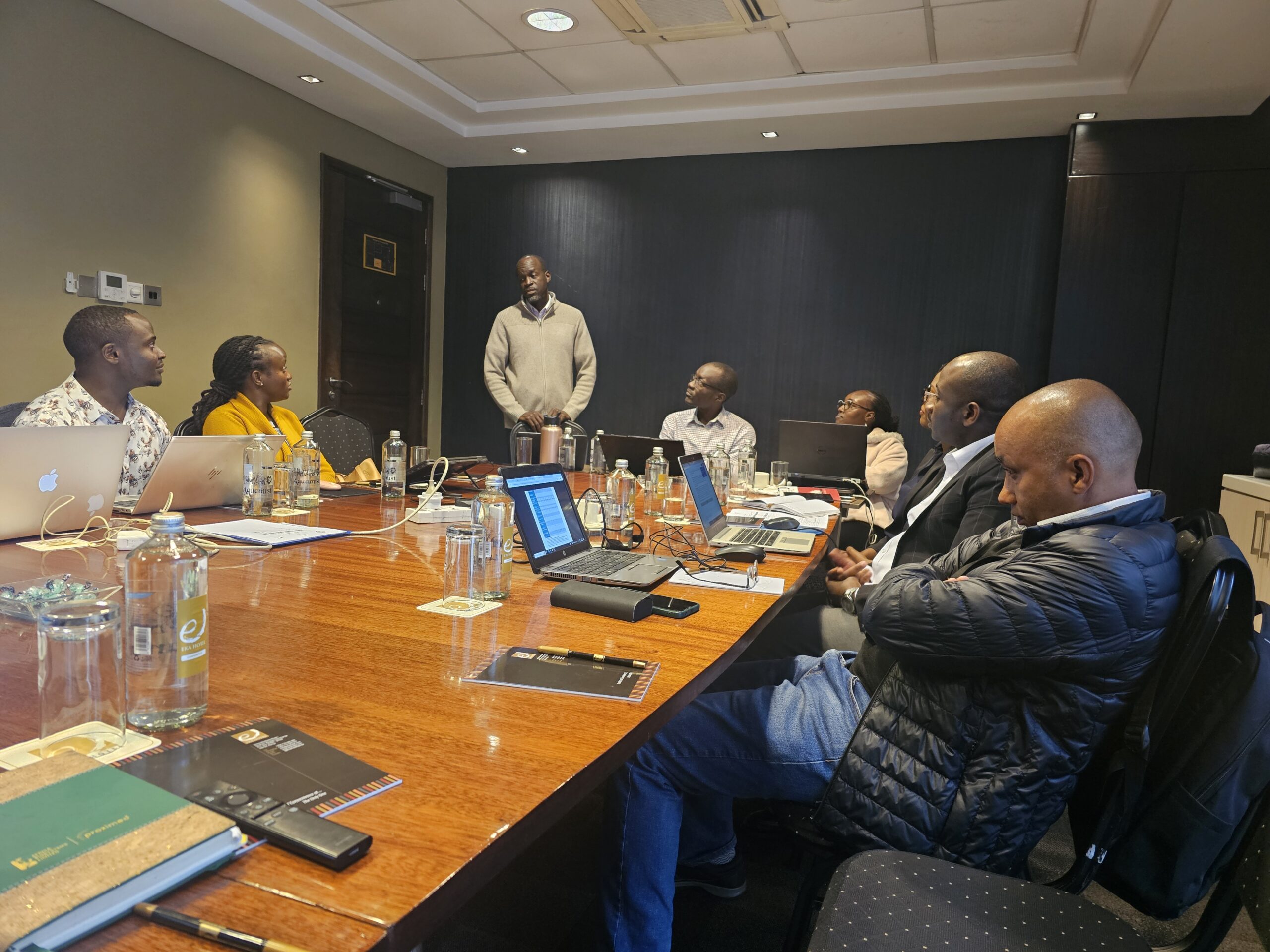
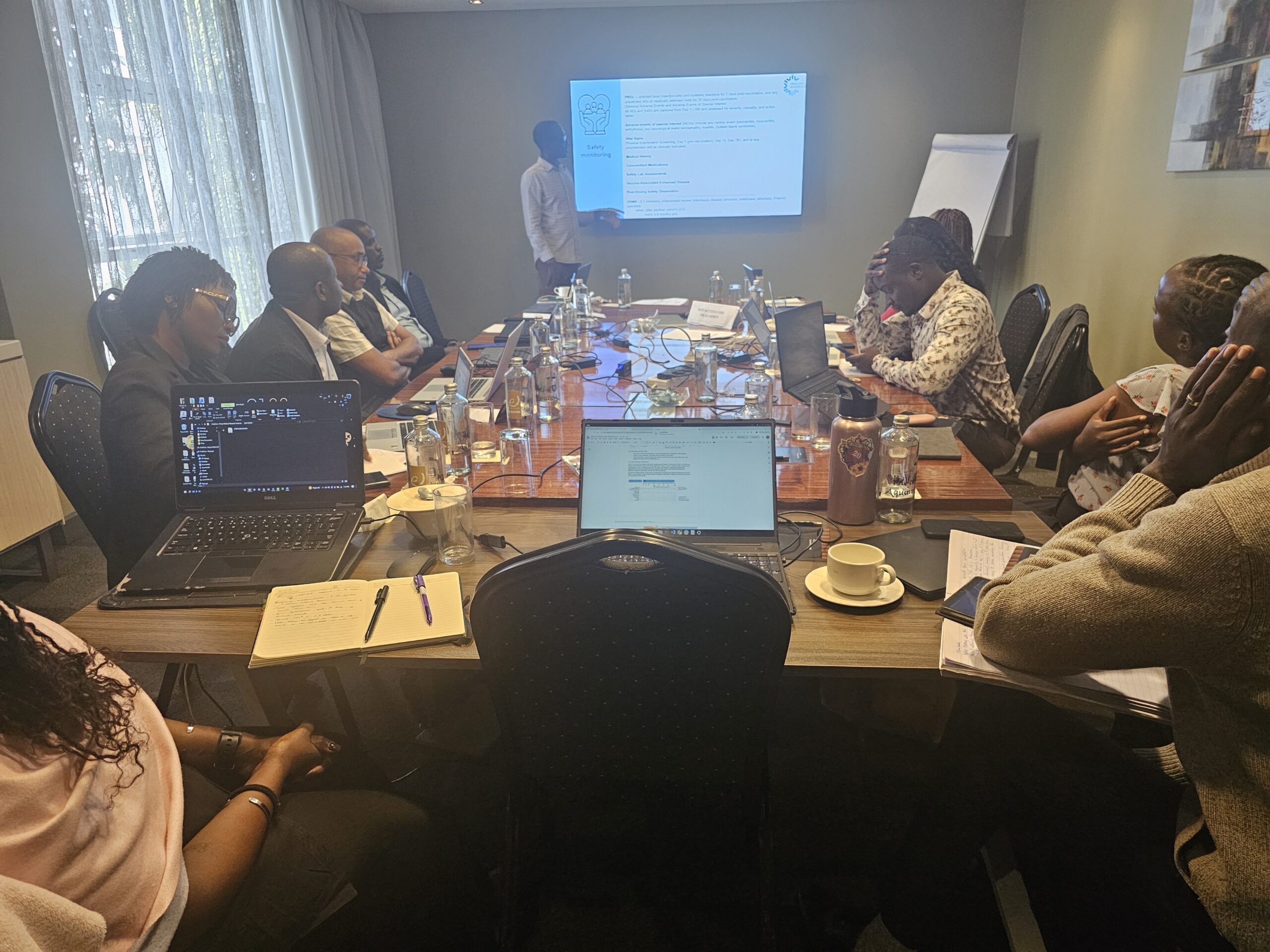
The kick-off meeting in Innsbruck brought together partners from Europe and Africa for three days of scientific exchange, project planning and consortium building. Representatives from the Ifakara Health Institute, EPFL, Valneva Austria and the Medical University of Innsbruck joined in person, while colleagues from the Kenya Medical Research Institute, Instituto de Salud Carlos III and Pikado participated online. Discussions focused on clinical trial design, work packages, regulatory and ethical preparations, dissemination activities and project management.
The program also included a tour of the Innsbruck diagnostic and laboratory facilities and input from EAVI’s Scientific Advisory Board: Dr. Mkunde Chachage, National Institute for Medical Research Mbeya; Prof. Dr. Isabella Eckerle, Centre for Viral Emerging Diseases, Geneva; and Prof. Dr. Florian Klein, Institute of Virology, Cologne.
What’s next
Following the kick-off meeting, the consortium now moves into its first project phase. This includes preparatory work at the Kenyan and Tanzanian trial sites, ethical and regulatory submissions of both trial protocols, the serosurvey trial and vaccine trial, and the start of community engagement activities in the study regions.
About EAVI
EAVI, the European-African Vaccine Initiative, is funded by Global Health EDCTP3, the Horizon Europe partnership between the European Union and sub-Saharan Africa, under grant agreement 101249075. The project runs from May 2026 to April 2031 and has a total budget of approximately €14 million.